5 Ways Store Assisted Living Homes Improve Dementia Care Outcomes
Business Name: Hearthstone South Weber
Address: 6980 S 475 E, South Weber, UT 84405
Phone: (385) 380-3382
Hearthstone South Weber
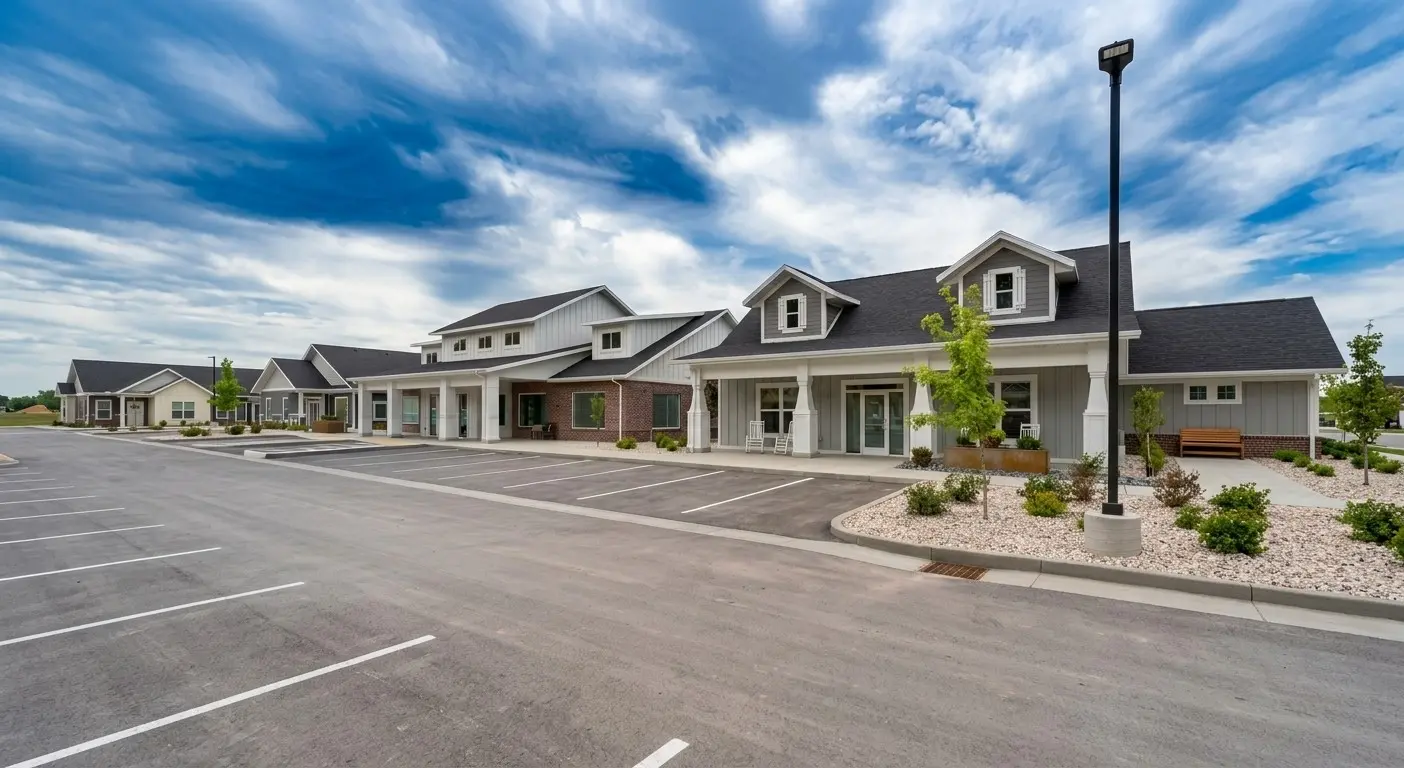
Our assisted living and memory care community sits in a quiet South Weber neighborhood at the mouth of Weber Canyon, minutes from Ogden Regional Medical Center and close to family across Davis and Weber counties. We offer Assisted Living private studio apartments for seniors who want independence with a helping hand: medications, bathing, dressing, meals, and housekeeping. We also provide Memory Care secure, calm setting with structured routines and 24/7 supervision for residents living with Alzheimer's disease or other dementia. We've cared for residents here since 2019, with attentive caregivers, home-cooked meals, and a calendar full of things to look forward to.
6980 S 475 E, South Weber, UT 84405
Business Hours
Families generally begin taking a look at assisted living or memory care after something particular occurs. A fall. A roaming occurrence. Medication mistakes that scare everybody. By the time I meet them, they are not comparing paint colors. They are attempting to prevent a crisis from becoming a pattern.
Over the years, I have actually seen the same thing play out: homeowners with dementia tend to do much better in smaller sized, extremely structured, relationship driven homes than in big, hotel style senior care settings. Not everybody, and not in every situation, however enough that it is difficult to ignore.
Boutique assisted living homes, often called residential care homes or small board and care, generally serve 4 to 16 residents in a home sized environment. When they are well run, they form every element of the day around the specific requirements of individuals living with dementia.
Before we go into the details, here are the five crucial methods I have seen store homes improve dementia care results:
- Smaller scale and consistent staffing decrease confusion and behavioral distress
- Highly customized routines and activities support staying capabilities
- Thoughtful environments lower falls, agitation, and wandering risk
- Deep household cooperation and versatile respite care avoid burnout
- Close health coordination catches medical problems earlier and avoids unneeded hospitalizations
The rest of this article walks through each of these, with practical examples and some hard earned nuance.
Why scale matters a lot in dementia care
A person living with dementia works more difficult than the majority of us understand just to keep up with basic life. Every brand-new face, every corridor, every decision demands additional cognitive effort. In a huge senior care neighborhood with lots or numerous citizens and rotating staff, the environment can become a constant cognitive obstacle course.
Boutique assisted living homes flip that equation. Less residents. Fewer employee. Fewer places to get lost. That simplicity is not a high-end for someone with dementia, it is a restorative tool.
Families typically tell me, "She remembers the caregiver's name here, but in the larger structure she might not keep anyone straight." That is not a coincidence. The brain with dementia leans heavily on repetition, routine, and psychological familiarity. A small home setting naturally provides all three.
Of course, small does not immediately imply high quality. A small home with chaotic management or bad training can be far worse than a well handled larger assisted living community. Scale is an advantage just when it is paired with structure and skill.
1. Smaller sized scale and constant staffing decrease confusion and distress
In store homes, among the essential advantages is how simple it becomes to develop stable relationships. A typical pattern looks like this: a constant team of caretakers, typically 4 to 10 individuals overall, cover all shifts for a home of 6 to 12 homeowners. Over a couple of weeks, residents and personnel understand each other's voices, steps, and habits.
That consistency matters. People with dementia often mirror the emotional tone around them. When care is provided by familiar, calm personnel who understand the resident's quirks, you see less outbursts, less resistance to bathing, and less anxious phone calls to household at night.
I remember one resident, a retired specialist with mid stage Alzheimer's, who would become combative at shower time in a large facility. Staff followed the care plan, however there were brand-new faces continuously rotating in. After moving to a little home, the manager paired him with the very same two male caregivers for all individual care. They found out to begin with a five minute "tool talk" on the way to the restroom. Within a week, the "combative behavior" looked more like a whining however cooperative routine.
Smaller scale likewise improves guidance and security. In a huge building, someone can roam rather a range before anybody notices. In a single level home, if a resident heads for the front door at 3 a.m., the night caretaker hears it. That can mean the distinction in between redirecting somebody back to bed and a missing out on individual call.
There is a trade off: in very little homes, care groups can end up being burned out if staffing is too tight or leadership does not support them. When you assess a shop assisted living choice, ask how typically personnel turn off for breaks, what backup coverage looks like, and how getaways are handled. High quality dementia care depends on caretakers who are not running on fumes.
2. Personalized regimens and activities secure self-respect and function
Dementia care is not simply about keeping someone fed and safe. The more life seems like "my life," the better the results in mood, engagement, and even physical function.
Boutique homes typically have more flexibility to customize everyday regimens since they are not collaborating lots of homeowners through a rigid schedule. Breakfast can be staggered throughout two hours instead of a 7:30 a.m. Sharp seating. Shower days can reflect individual choice. Medication passes can be timed around sleep patterns rather than the other way around.
I typically see three specific benefits from this level of individualization.
First, fewer behavioral episodes. Lots of so called habits are in fact sensible reactions to a schedule that does not fit the individual. A male who always slept late through his working life does not become a cheerful early bird due to the fact that he goes into a memory care program. In a little home, personnel can simply let him sleep up until 9, then serve a late breakfast. The "refusal to come to the dining room" disappears.
Second, much better preservation of capabilities. When staff know a resident's personal history, they can embed remaining abilities into the day. A former teacher may help check out stories to another resident. Someone who invested a life time cooking might sit at the kitchen area table peeling carrots for stew. These are not token activities; they are expressions of identity. The repeating of familiar jobs assists anchor memory and keeps hands, eyes, and voices engaged.
Third, more considerate handling of intimate care. Individuals with dementia typically feel vulnerable during dressing, toileting, and bathing. In a boutique assisted living setting, where staff understand who prefers a bath versus a shower, who desires the restroom door closed fully, and who is modest about certain clothes, it is much easier to protect self-respect. That has a direct effect on cooperation and trust.
Families often ask if they can bring in a personal caregiver on top of the home's staff to additional individualize care. In a boutique setting, that can work perfectly when interaction is clear and functions are defined. Done inadequately, it can puzzle residents or weaken the core team. Always involve the administrator in preparing outdoors support.
3. Thoughtful environments that match dementia needs
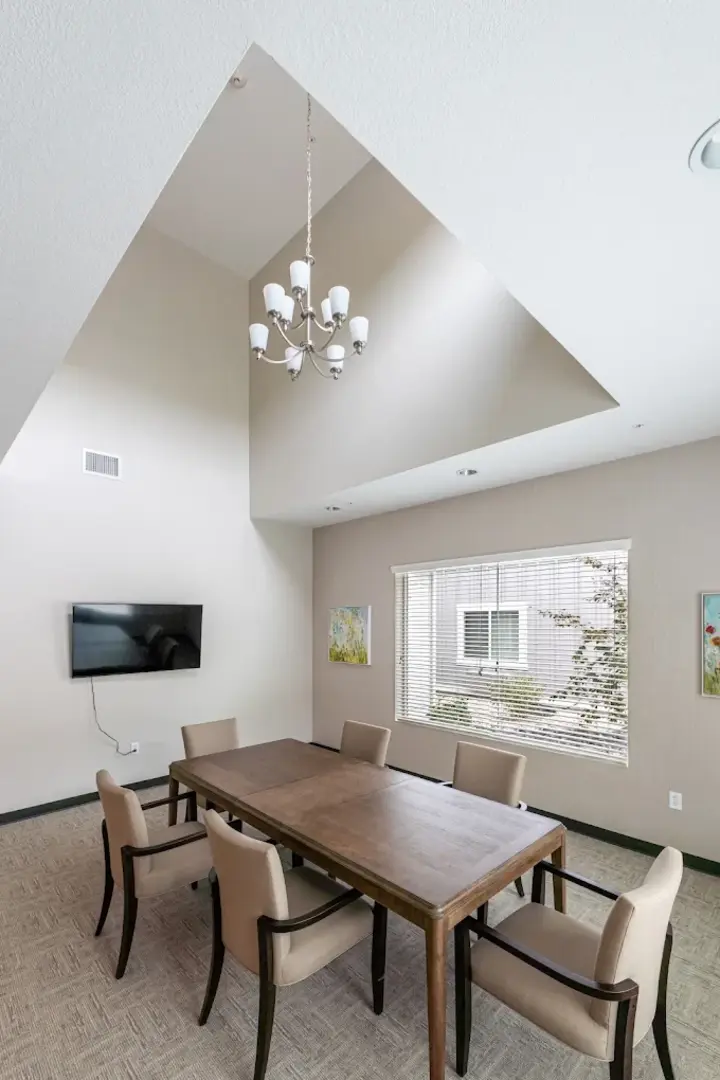
The physical environment of a senior care setting either battles the brain with dementia or deals with it. Shop assisted living homes normally start with a residential scale floorplan by meaning, however the very best ones go much further in developing for memory care.
Lighting, sound, color contrast, and signs all matter. I have seen homeowners who were identified "high memory care fall risk" in a dark, carpeted hallway walk with confidence in a smaller sized home with even lighting, clear sightlines, and less visual distractions. Their legs were not the main issue. The environment was.
Well created boutique memory care homes frequently share these features:
- Single level or short, clear paths between bed rooms, restrooms, and typical areas, which decreases confusion and roaming danger without resorting to restraints or heavy handed redirection
- Functional cues rather of institutional signs, such as a bookshelf by the reading chair or a basket of towels outside the restroom, which helps residents browse using acknowledgment rather than memory
- Mixed seating alternatives and small "nooks" so residents can select peaceful or social spaces, which allows natural self policy of overstimulation
- A firmly confined garden or patio area that is really available, not just for program, which supports safe outside walking and reduces agitation for locals who were active all their lives
- Kitchens that are visible and active during meal prep, which promote hunger and offer familiar sensory cues like the smell of coffee or onions on the stove
Notice the number of of these functions mirror a reasonably well arranged home instead of a medical facility. That is the point. Somebody with dementia will not process a large dining hall or long corridor as familiar, no matter how well it is furnished. A smaller sized home like design gives them a fairer chance.
That stated, some store homes lean too hard into "cozy" and neglect accessibility. Expect narrow hallways that can not fit a wheelchair and a caregiver, toss rugs that are trip threats, or low lighting that looks quite however makes depth perception worse. Excellent dementia care discovers the balance in between homelike and safe.
4. Deep family partnership and the function of respite care
Boutique assisted living homes tend to have shorter lines of interaction. Rather of passing details through numerous layers of management, you typically speak straight with the owner, administrator, or lead nurse. For dementia care, where little behavioral changes can indicate medical problems, that speed matters.
In my experience, the most impactful household collaborations in small homes share 3 traits.
First, regular, informal updates. Not just quarterly care plan meetings, however quick texts or calls: "She did not consume much lunch, however perked up with a healthy smoothie" or "He slept improperly last night, we are watching him more closely today." These snippets create a shared story, and families are most likely to share their own observations in return.
Second, openness around challenging behaviors. Families in some cases feel embarrassed or protective when a loved one has aggressive or inappropriate episodes. In a healthy shop setting, personnel can say, "Yesterday afternoon was rough, here is what we attempted, here is what helped, what has worked at home in the past?" without blame on either side. That collective tone leads to real problem resolving. I have actually enjoyed it minimize psychotropic medication use with time, just because everyone comprehended triggers better.
Third, flexible support for respite care. Some boutique homes welcome short stay residents for respite care, especially when they have an open space. For household caretakers who are still mainly accountable however need a break for travel, medical treatments, or large exhaustion, this can be a lifeline. The small scale permits respite guests to be incorporated into routines quickly, and the staff can utilize the stay to discover the person's patterns in case an irreversible relocation is needed later.
One child told me that positioning her mother in a little home for 3 weeks of respite after a hospitalization was what kept her from quitting her task completely. The home sent out short videos of her mother at lunch, playing cards, or napping in the recliner. By the end of the stay, everybody had a clearer picture of how her dementia showed up in life. When the complete transition ultimately happened a year later on, it felt far less abrupt.
The care here is cost. Respite care in shop settings can be more expensive each day than in larger centers, partly because there is less economy of scale. Some homes likewise require a minimum stay or charge a deposit. It deserves asking particular questions and comparing that cost versus the genuine risk of caregiver burnout at home.
5. Close health coordination and fewer avoidable healthcare facility trips
People with dementia land in the hospital more frequently than their peers for problems that could have been handled previously: dehydration, urinary infections, medication mismanagement, falls associated to environmental dangers. Each hospitalization, in turn, can speed up cognitive decline. The disorientation of a health center room, sleep disruption, and unknown staff can set off delirium superimposed on dementia, which often never fully reverses.
Boutique assisted living homes can not prevent every crisis, but they are well placed to capture problems early. When personnel know a resident's standard thoroughly, they observe smaller sized shifts: a change in gait, a brand-new tendency to nap through the morning, choosing at food, or increased confusion at sunset.
I recall a resident with moderate vascular dementia living in a little home who started taking abnormally long in the bathroom. No complaints, simply slower. Personnel reported it within a day. The nurse practitioner who rounded on the home purchased a urinalysis, which revealed a urinary tract infection beginning. Antibiotics were begun at the home, and the resident never ever required an emergency situation visit. In a bigger, busier community, that subtle change may have gone unremarked till a fever or a fall required a 911 call.
Stronger health coordination in shop homes frequently consists of:
- Prompt communication with medical care, geriatrics, or home call service providers about behavior and function modifications
- Medication evaluates to minimize unnecessary drugs that aggravate cognition or fall danger
- Honest conversations with households about objectives of care, consisting of when hospitalization will assist and when it may do more harm than excellent
- Integration of hospice or palliative services within the home environment so homeowners do not need to move once again near completion of life
Families sometimes worry that picking a smaller, less "medical looking" setting means compromising medical assistance. The reality depends completely on how the home is arranged. A few of the best dementia care I have actually seen has remained in little homes that agreement with visiting nurses, physical therapy, and hospice, while keeping the steadiness of a familiar environment. The resident gain from both medical oversight and emotional continuity.
There are limits, naturally. A store assisted living home is not a competent nursing facility. If your loved one needs complex wound care, frequent IV medications, or highly specialized tracking, a nursing home may still be the ideal level of care. Good administrators will tell you plainly when a resident's needs surpass what they can securely provide.
When boutique is not automatically better
It is simple to glamorize the idea of a small home as inherently more individual and humane. Numerous are. Some are not. I have walked into charming looking boutique homes where staff were plainly rushed, call lights went unanswered, and "activities" consisted of a television running throughout the day in the corner.
There are likewise resident profiles for whom a larger memory care unit might actually work better, at least for a while. A socially outgoing individual in early dementia who prospers on bigger group activities, or somebody who desires easy access to on website physical treatment, might delight in a larger community. Likewise, a couple where one spouse has dementia and the other does not might prefer a school that uses both independent living and memory care on the exact same grounds.
The secret is matching the environment to the person's requirements rather than chasing a label.
Licensing categories likewise vary by state or country. Some small homes operate under a basic assisted living license and accept locals with dementia as part of a blended population. Others are particularly accredited as memory care. Understand what training and staffing are required under your local guidelines, and do not be shy about asking how the home goes beyond those minimums.
A practical list for visiting boutique dementia care homes
When families tour multiple senior care alternatives, the details tend to blur. Having an easy set of questions concentrated on dementia care can clarify distinctions in between boutique homes without turning the visit into an interrogation.
Use this brief list as a discussion guide:
- How lots of residents live here, and the number of personnel are normally on duty during days and nights?
- How do you be familiar with a new resident with dementia, especially their routines and sets off?
- What modifications in habits or function would trigger you to call a medical professional or family instantly?
- Can you explain a recent difficult scenario with a resident and how your group managed it?
- Are short term stays or respite care an alternative, and if so, how do you incorporate those citizens into the family?
Pay attention not only to the answers, but to how they are provided. If the administrator can just speak in generalities, or seems defensive about concerns relating to dementia care, that is useful information.
While you are strolling through, view residents' faces. Listen for how staff speak with them. Notification whether someone sits alone in front of a TV for hours, or whether there are little, natural interactions around treats, puzzles, or folding laundry. It is those tiny, repetitive human minutes that determine how living with dementia will feel in that home.
Bringing everything together for your family
Boutique assisted living homes have actually altered the landscape of dementia care by providing something both simple and extensive: a smaller, more foreseeable world where relationships and routines can anchor a fraying memory.
They do this in five primary methods. They diminish the scale of life so the individual is less overloaded. They personalize routines and activities so the day fits the individual, not the other method around. They create environments that seem like a genuine home while silently minimizing falls and confusion. They welcome families as partners, using respite care and frequent interaction to sustain caregiving with time. And they coordinate carefully with health service providers, catching trouble early and preventing hospitalizations that can speed decline.
Those gains are not automatic. They depend upon strong management, well trained personnel, sustainable staffing ratios, and sincere interaction with families about both possibilities and limits.
If you are weighing alternatives for somebody with dementia, it can assist to visit a minimum of one smaller, boutique style memory care home even if your first impulse is to take a look at the larger, more familiar brand names. You may find that what your loved one needs most is not a grand lobby or a complete calendar, however a kitchen that smells like supper, a hallway they can remember, and 3 or four familiar faces who know exactly how they take their coffee and how to relax their worry at 3 a.m.
That is where better dementia care results normally start. Not with a new technology or an unique drug, however with a human scale place where a person with memory loss is still seen, day after day, as a whole individual worth knowing.
Hearthstone South Weber provides assisted living care
Hearthstone South Weber provides memory care services
Hearthstone South Weber provides respite care services
Hearthstone South Weber supports assistance with bathing and grooming
Hearthstone South Weber offers private bedrooms with private bathrooms
Hearthstone South Weber provides medication monitoring and documentation
Hearthstone South Weber serves dietitian-approved meals
Hearthstone South Weber provides housekeeping services
Hearthstone South Weber provides laundry services
Hearthstone South Weber offers community dining and social engagement activities
Hearthstone South Weber features life enrichment activities
Hearthstone South Weber supports personal care assistance during meals and daily routines
Hearthstone South Weber promotes frequent physical and mental exercise opportunities
Hearthstone South Weber provides a home-like residential environment
Hearthstone South Weber creates customized care plans as residents’ needs change
Hearthstone South Weber assesses individual resident care needs
Hearthstone South Weber accepts private pay and long-term care insurance
Hearthstone South Weber assists qualified veterans with Aid and Attendance benefits
Hearthstone South Weber encourages meaningful resident-to-staff relationships
Hearthstone South Weber delivers compassionate, attentive senior care focused on dignity and comfort
Hearthstone South Weber has a phone number of (385) 380-3382
Hearthstone South Weber has an address of 6980 S 475 E, South Weber, UT 84405
Hearthstone South Weber has a website https://hearthstonesouthweber.com/
Hearthstone South Weber has Google Maps listing https://maps.app.goo.gl/VWbP6MrpzTRbZkoG7
Hearthstone South Weber has an Facebook https://www.facebook.com/hearthstone.south.weber
Hearthstone South Weber won Top Assisted Living Homes 2025
Hearthstone South Weber earned Best Customer Service Award 2024
Hearthstone South Weber placed 1st for Senior Living Communities 2025
People Also Ask about Hearthstone South Weber
What assisted living care and senior care services does Hearthstone South Weber provide?
Hearthstone South Weber provides assisted living care designed to support individual resident care needs through personal care assistance, daily living support, life enrichment activities, and compassionate attentive senior care focused on dignity and comfort in a welcoming home-like residential environment
Does Hearthstone South Weber offer memory care services for seniors?
Hearthstone South Weber emphasizes compassionate senior care that supports residents with varying cognitive and personal care needs, with individualized assistance, meaningful life enrichment activities, and a comfortable home-like residential environment. Families should contact the community to confirm the availability of specialized memory care services
What respite care services are available at Hearthstone South Weber?
Hearthstone South Weber can help families explore respite care services that provide temporary senior care, personal care assistance, daily living support, and opportunities for life enrichment activities while prioritizing individual resident care needs, dignity, comfort, and peace of mind. Availability should be confirmed directly with the community
How does Hearthstone South Weber support daily living and life enrichment activities for seniors?
Hearthstone South Weber focuses on personal care assistance, individualized daily living support, and life enrichment activities that encourage social engagement, independence, and meaningful connections while providing compassionate attentive senior care in a comfortable home-like residential environment
Why do families choose Hearthstone South Weber for assisted living care and senior care?
Families considering Hearthstone South Weber can look for assisted living care that emphasizes individual resident care needs, personal care assistance, meaningful life enrichment activities, and compassionate attentive senior care focused on dignity and comfort, along with a welcoming home-like residential environment and opportunities to discuss memory care services and respite care services based on their loved one's needs
Where is Hearthstone South Weber located?
Hearthstone South Weber is conveniently located at 6980 S 475 E, South Weber, UT 84405. You can easily find directions on Google Maps or call at (385) 380-3382 Monday through Sunday Open 24 hours
How can I contact Hearthstone South Weber?
You can contact Hearthstone South Weber by phone at: (385) 380-3382, visit their website at https://hearthstonesouthweber.com/ or connect on social media via Facebook
Ramblin Roads Family Dining offers traditional American comfort food in a relaxed atmosphere where families supporting loved ones through assisted living, memory care, senior care, elderly care, and respite care can share meaningful meals.